
AI Project Management: What It Actually Means and Which Tools Deliver
AI project management means different things depending on the tool. Here's how to break down the categories and evaluate them in 2026.
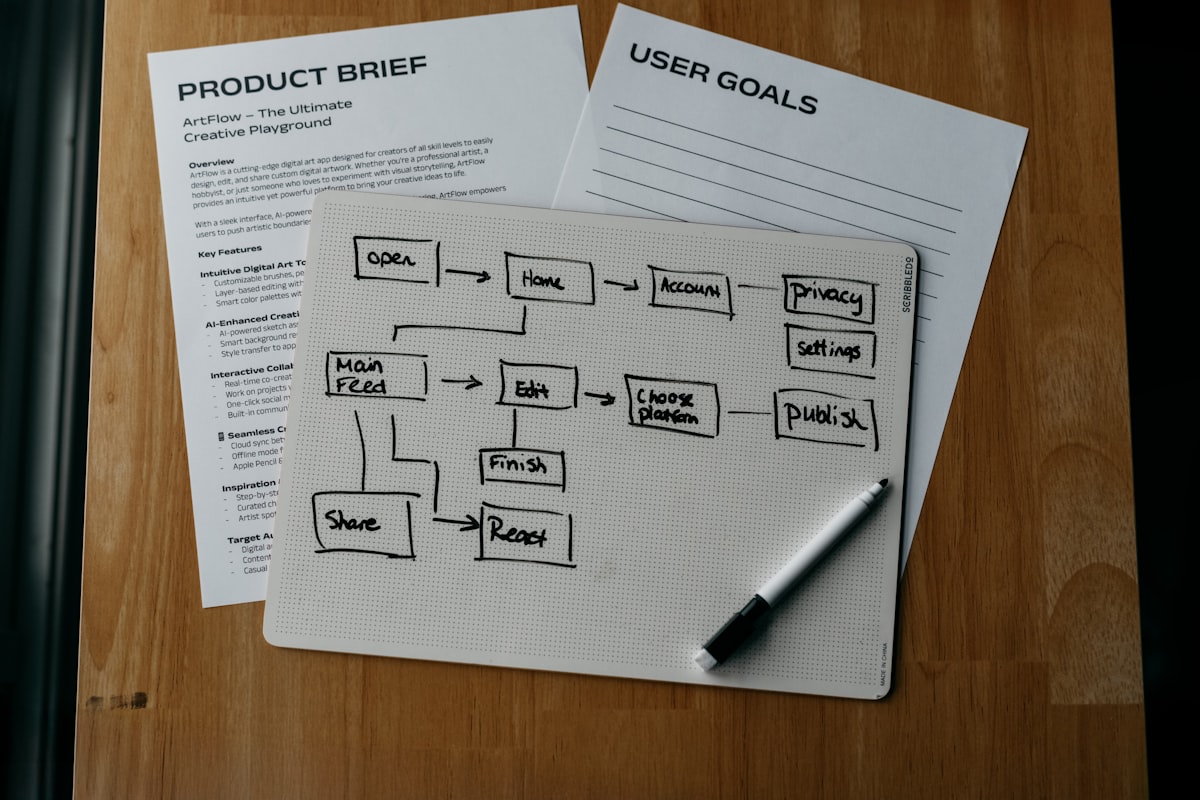
“AI project management” has become one of those phrases that vendors attach to almost anything. A feature that auto-suggests due dates counts as AI project management. So does an agent that autonomously manages your entire backlog. The label doesn’t tell you much on its own.
This guide breaks down what the category actually contains in 2026, what each type of tool does and doesn’t do, and what questions to ask when you’re evaluating options.
The Three Types of AI Project Management Tools
The category breaks into three meaningfully different approaches:
AI-assisted project management - Tools that add AI features to an existing PM workflow. You prompt the tool; it helps. Jira’s AI generates summaries and drafts descriptions when you ask. Notion AI writes content when you prompt it. Asana’s AI helps with goal setting and status summaries. These tools reduce friction on individual tasks but don’t change the underlying workflow. You still initiate every interaction.
Workflow automation - Tools that trigger actions based on rules. Zapier, Make, and native automation in Jira and Asana let you set up rules: “when a PR is merged, close the linked ticket” or “when a bug is reported in Slack, create a Jira ticket.” These are genuinely useful but limited to the scenarios you anticipate and configure. They don’t reason about context; they execute rules.
Agentic AI project management - Tools that monitor your team’s work continuously and take initiative without being triggered. These connect to your meetings, Slack, GitHub, and backlog - and propose actions based on what’s actually happening. They reason about context across multiple sources and surfaces specific changes for human review. This is the newest and most capable category.
What Each Type Delivers
AI-assisted tools are good for reducing the time spent on writing and formatting work. If you need to write a ticket description and you have the context in your head, AI assistance makes the draft faster. The limitation is that you still need to have the context assembled before using the tool - it can’t pull context from your meeting from yesterday or the Slack thread from last week.
Automation tools are good for predictable, repeatable workflows. If you have a process that runs the same way every time - ticket moves to Done when PR merges, standup notes post to Slack at 10am, sprint review meeting triggers a status report - automation handles it well. They don’t work well for ambiguous situations or anything that requires reasoning about context.
Agentic tools are good for the high-context, time-consuming work that happens after meetings and conversations. They handle the gap between “something was decided” and “the backlog reflects it.” The tradeoff is that they require data access - they need to connect to your meetings, your Slack, and your project management tool to do their job.
The Problem These Tools Are Solving
The underlying driver for the AI project management category is a bottleneck that’s gotten more acute in 2025-2026.
With coding agents like Cursor and Claude Code, engineering teams can ship code significantly faster than before. Code is no longer the bottleneck in most teams. The new bottleneck is product context: keeping requirements clear enough for fast-moving engineers, keeping the backlog current, and making sure decisions from meetings actually make it into the system where work is tracked.
A PM managing a team that ships 3x faster than two years ago has 3x the volume of tickets to write, update, and maintain. The AI-assisted approach - prompting ChatGPT to draft requirements - helps but doesn’t scale. It still requires the PM to assemble context and initiate every request.
The agentic approach is designed for this bottleneck specifically. The agent runs continuously, monitors where context lives, and handles the update and creation work in the background.
What to Look for When Evaluating
Data sources - The more context the tool has access to, the better its proposals will be. A tool that only reads meeting transcripts will miss the context in Slack and GitHub. A tool that connects to everything produces more accurate and complete proposals.
Human-in-the-loop design - Automatic changes to your backlog without review are risky. The best agentic tools propose changes and wait for approval before executing. The PM still makes the decisions; the tool does the execution.
Integration depth - Does the tool read your tickets and write back to them, or just generate content for you to copy-paste? Read-and-write integration is meaningfully more useful.
Context persistence - A tool that builds a knowledge graph of your project over time gets better as it learns your team’s patterns and vocabulary. A tool that treats every meeting as a fresh start loses the benefit of continuity.
Is AI Project Management Right for Your Team?
AI project management tools - especially the agentic kind - deliver the most value when:
- Your team uses a backlog-based workflow in Jira, Linear, Asana, or a similar tool
- Meetings produce significant backlog work that currently requires manual processing
- Your PM or EM spends meaningful time on update and documentation work rather than strategy
- You use Slack or Teams as a primary communication channel where decisions get made
They’re less valuable for very small teams (under 5 people, where coordination overhead is naturally low) or teams with highly irregular workflows where automation doesn’t map well.
Telos is an agentic AI project management tool that connects to your meetings, Slack, GitHub, and Jira - and keeps your backlog updated after every meeting, with human review before any changes are made.
For more on how the category works, see our guides on agentic project management, AI agents for project management, and project management automation.